
Emotional Literacy Support Assistant
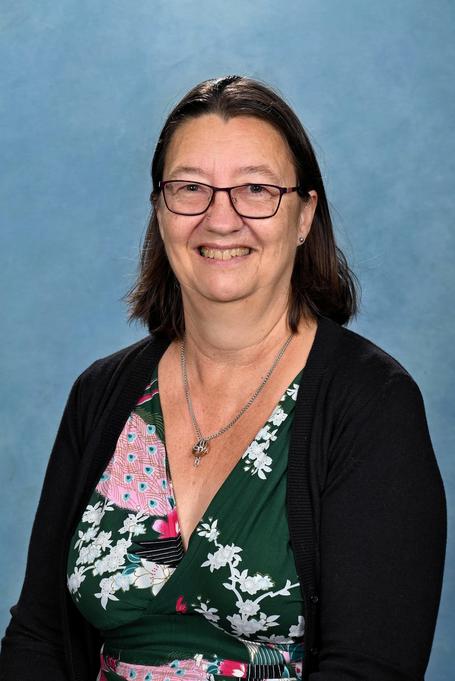
Dr Alison Thatcher
What is Emotional Literacy Support Assistant?
In every school there are children and young people who face life challenges that can affect their ability to engage fully with learning. Some pupils need additional support to develop their emotional literacy. ELSA (Emotional Literacy Support Assistant) is an initiative developed and supported by Educational Psychologists, based on the understanding that children learn best and feel happier at school when their emotional needs are met.
Wildground Federation is fortunate to have trained Emotional Literacy Support Assistants who work closely with Educational Psychologists. ELSAs plan and deliver tailored programmes of support for pupils experiencing temporary or longer-term emotional needs. Support is usually provided on a one-to-one basis, although small group sessions may be used when appropriate, particularly to develop social and friendship skills.
ELSA sessions are engaging and enjoyable, using a variety of activities such as games, role play with puppets, and arts and crafts. Sessions take place in our dedicated ELSA room, a calm and safe environment where children feel supported and nurtured.
ELSA support may focus on:
- Recognising and understanding emotions
- Anxiety
- Self-esteem
- Social skills
- Friendship skills
- Anger management
- Loss and bereavement
How does ELSA work?
Children are typically referred for ELSA support by their class teacher, senior leaders or, in some cases, the SENCO. Each week, the ELSA meets with the Family Support Worker to discuss referrals and agree a programme of support. Sessions are carefully planned to help children develop new skills and coping strategies so they can manage social and emotional challenges more effectively. Each session lasts approximately 30 minutes.
Supporting, not fixing
ELSA support is about helping, not “fixing,” children’s problems. The focus is on providing emotional support through a warm, respectful relationship and a safe, reflective space where children can share their thoughts and feelings openly.
It is important to recognise that positive change takes time and depends on the nature and complexity of a child’s needs. For children with complex or long-term difficulties, ELSA support is not expected to resolve every issue but is designed to target specific areas of need. ELSA training and development is ongoing, and careful judgement is required to recognise when a child’s needs are beyond the scope of ELSA support. In such cases, the school’s Educational Psychologist can offer guidance on the suitability and nature of further involvement.